
Petrol Fuel Prices In Pakistan 2026
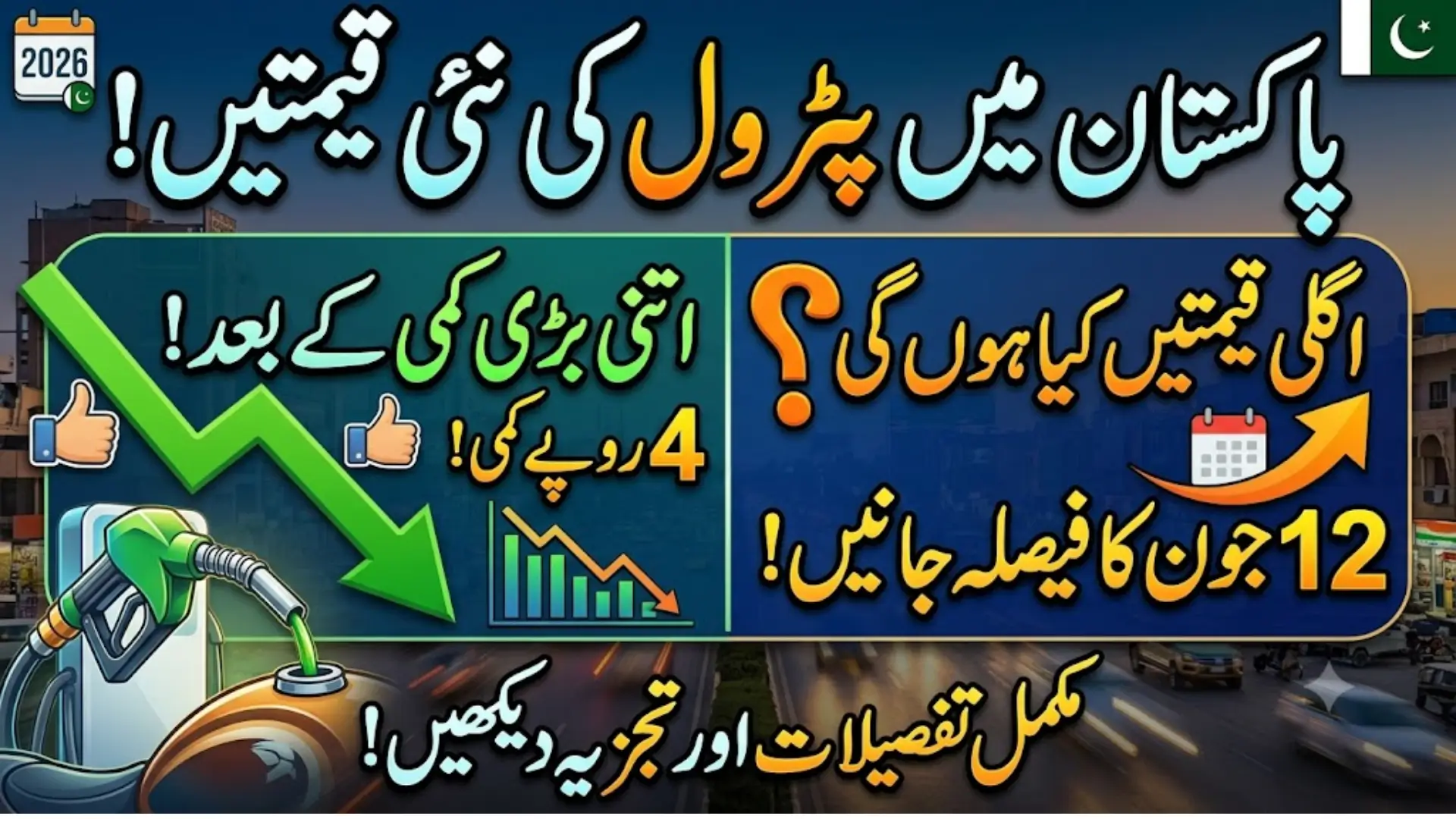
Petrol Fuel Prices In Pakistan 2026: As of June 6, 2026, the petrol price in Pakistan stands at Rs. 377.78 per litre, following a reduction of Rs. 4.00 per litre announced by the Ministry of Energy after recommendations from the Oil and Gas Regulatory Authority (OGRA). High-Speed Diesel (HSD) is currently priced at Rs. 380.78 per litre.

These rates apply uniformly across all cities including Karachi, Lahore, Islamabad, Rawalpindi, and Peshawar. The next revision is expected on June 12, 2026, and future adjustments will depend on international crude oil prices, the USD to PKR exchange rate, and ongoing import cost reviews.
You Can Also Read: Xiaomi 17t pro Price in Pakistan & All Specfication Details
| Fuel Type | Price (June 2026) | Key Update |
|---|---|---|
| Petrol | Rs. 377.78 / L | Down by Rs. 4.00 |
| High-Speed Diesel | Rs. 380.78 / L | Market-based revision |
| High Octane | Rs. 445.00 / L | City dependent |
| Kerosene Oil | Rs. 313.44 / L | Stable trend |
| Light Diesel Oil | Rs. 275.54 / L | Lowest rate |
| LPG | Rs. 303.81 / kg | Estimated price |
| Next Revision | 12 June 2026 | OGRA update expected |
Pakistan Petrol Rate Today June 2026 OGRA Official Update
The Government of Pakistan revised fuel prices on June 6, 2026, marking the fourth consecutive downward revision in petrol rates. This reduction came after a sustained decline in international petroleum product prices during the preceding review period. OGRA submitted its recommendations to the Petroleum Division, and the final notification was issued at midnight, bringing modest but meaningful relief to consumers, particularly daily commuters, motorcycle riders, and small business owners who depend on fuel for their livelihoods.
June 2026 revision marks a significant turnaround from the all-time high of Rs. 458.41 per litre recorded on April 3, 2026. Since that peak, the government has cumulatively reduced petrol prices by over Rs. 80 per litre through successive fortnightly revisions, offering gradual relief to households and the transport sector. Despite this relief, prices remain historically high compared to previous years, reflecting the structural cost pressures Pakistan faces as a major oil-importing country.
You Can Also Read: Big Drop in Electricity Rates in Pakistan 2026 Latest Power Bill Relief Update
Current Fuel Prices Per Litre in Pakistan All Types
- Petrol (Super / MS-92 RON): Rs. 377.78 per litre
- High-Speed Diesel (HSD / Euro 5): Rs. 380.78 per litre
- High Octane (HOBC): Rs. 445.00 per litre (approximate, varies by city)
- Kerosene Oil: Rs. 313.44 per litre
- Light Diesel Oil (LDO): Rs. 275.54 per litre
- LPG: Rs. 303.81 per kg (estimated, subject to supplier variation)
How Pakistan Fuel Rates Are Calculated by OGRA
Fuel prices in Pakistan are revised every fortnight typically on the 1st and 16th of each month under a standardised formula maintained by the Oil and Gas Regulatory Authority. This formula accounts for several interconnected economic variables that directly determine what Pakistani consumers pay at the pump. Understanding these factors helps explain why petrol prices can shift sharply even within a single month.
The single most influential variable in the pricing formula is the international crude oil benchmark, specifically Brent crude. A one-dollar change in the price per barrel translates to roughly Rs. 1.50 to Rs. 2.00 per litre at the pump in Pakistan. Beyond global crude, the rupee-dollar exchange rate plays an equally critical role because Pakistan imports the vast majority of its fuel and pays in US dollars, every one-rupee depreciation of the PKR adds approximately Rs. 0.60 to Rs. 0.80 per litre to the final pump price, even when global oil prices remain unchanged.
You Can Also Read: CM Punjab Electric Bike Scheme for Female Teachers 2026 Online Apply
Key Drivers Behind Petrol Price Fluctuations in 2026
- Brent crude oil surged from $72 to $131 per barrel in March 2026, triggering Pakistan’s biggest single-day price hike in history
- On April 3, 2026, petrol was raised to an all-time high of Rs. 458.41 per litre due to accumulated subsidies of Rs. 129 billion and IMF fiscal conditions
- The government cut the petroleum levy by Rs. 80 per litre within 36 hours, bringing prices to Rs. 378 per litre on April 5
- As Brent crude stabilised in the $72 to $78 range by June 2026, four consecutive downward revisions followed
- The petroleum development levy (PDL) stands at approximately Rs. 78 per litre on petrol as of June 2026
- A motorcycle subsidy of Rs. 100 per litre (with a monthly cap) was introduced after the April spike
Pakistan Petrol Price History Monthly Trend 2026
The year 2026 has seen unprecedented volatility in Pakistan’s fuel pricing. In early March, petrol was revised upward by Rs. 55 per litre in a single notification the largest one-day jump in the country’s history driven by geopolitical disruptions in Gulf oil supply routes and a steep rupee depreciation. By April 3, prices had climbed to Rs. 458.41 per litre, a figure that stunned consumers and triggered nationwide protests.
The government responded with emergency levy reductions and a motorcycle subsidy scheme. From mid-April through June, prices gradually declined as global crude settled and import premiums eased. The trajectory from Rs. 321.17 in early March to a peak of Rs. 458.41 and back down to Rs. 377.78 by June 6 reflects the extreme sensitivity of Pakistan’s retail fuel prices to global market shocks, compounded by its reliance on petroleum imports denominated in foreign exchange.
Upcoming Petrol Rate Revision Will Prices Rise or Fall?
- Next OGRA revision is scheduled for June 12, 2026
- If global crude prices remain stable in the $72 to $78 per barrel range, a further small reduction of Rs. 2 to Rs. 5 per litre is possible
- A weaker rupee or fresh geopolitical disruption in the Middle East could reverse the downward trend
- Analysts note that the petroleum levy remains a lever the government can adjust to absorb international price shocks
- IMF program conditions limit the government’s ability to provide prolonged subsidies, keeping long-term price cuts uncertain
- Citizens are advised to monitor OGRA’s official website (ogra.org.pk) and the Ministry of Energy (petroleum.gov.pk) for confirmed notifications
You Can Also Read: BISP 8171 Payment Pre-Verification Before 13500 Distribution Know Full Guide
Conclusion
Rising and falling petrol prices do not affect motorists alone they ripple through Pakistan’s entire economic structure Transportation costs for goods, raw materials, and food directly depend on diesel and petrol rates. When fuel prices spike, freight charges increase, which raises the cost of groceries, manufactured goods, and services across the country. Small businesses, shopkeepers, and daily wage workers are among the most vulnerable segments, as they have little capacity to absorb sudden fuel cost increases.
Pakistan has gone from paying approximately Rs. 55 per litre in 2006 to over Rs. 377 per litre in June 2026 a rise of more than 580% over two decades. This trajectory reflects not just global energy trends but also domestic structural challenges including rupee depreciation, heavy reliance on fuel imports, government tax policies, and the conditions attached to IMF support programs. As long as Pakistan remains a net importer of petroleum, global crude benchmarks and the dollar-rupee exchange rate will continue to be the dominant forces shaping fuel prices at every pump across the country.